DBT Foundational
A practical DBT training program for licensed clinicians joining an established DBT team
A practical DBT training program for licensed clinicians joining an established DBT team

DBT Foundational provides a clear, supportive, and hands-on introduction to Dialectical Behavior Therapy for clinicians joining an established DBT consultation team. Developed by Marsha Linehan, DBT has transformed the treatment of severe emotion dysregulation and complex behavioral patterns, and remains the gold-standard approach for clients who struggle with these difficulties. It integrates behavioral science, skills training, mindfulness, and dialectical strategies to help clients reduce harmful behaviors, strengthen emotion regulation, and build a more workable life.
Taught by world-leading DBT clinicians and Linehan-trained experts, this course shows how DBT is applied in practice. You’ll see how core principles guide treatment and how experienced clinicians use the model to support safety, engagement, and meaningful progress with clients presenting with high levels of risk and instability.
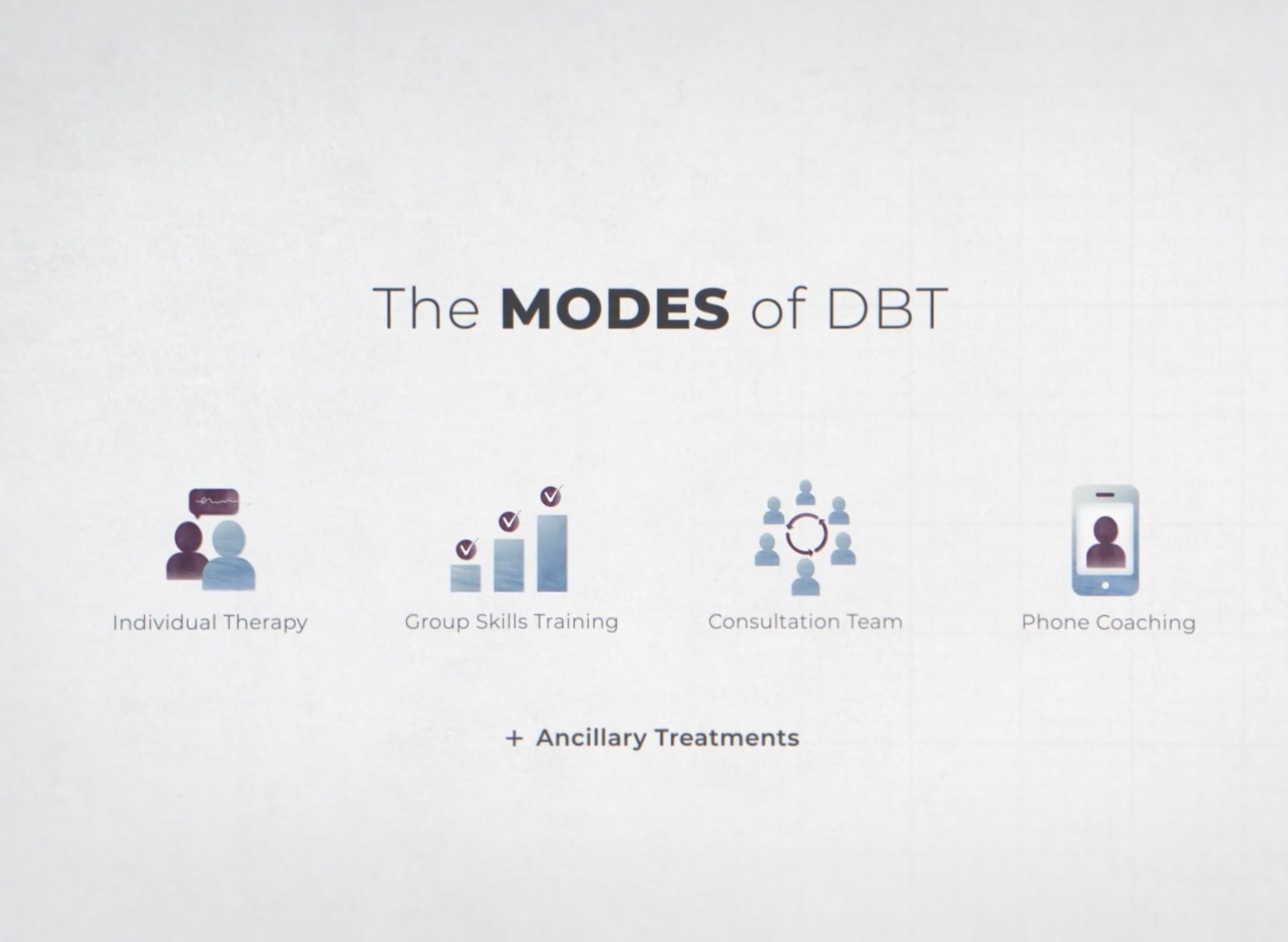
Across twelve parts, you will follow the full DBT model, from its theoretical foundations to the strategies used in individual therapy, skills groups, phone coaching, and consultation teams. Through demonstrations and in-depth case studies, you’ll see the treatment applied moment-to-moment in clinical practice.
This comprehensive learning experience, inspired by DBT founder Marsha Linehan, provides a reliable pathway into DBT for licensed mental health professionals joining an established DBT consultation team, and for clinical services onboarding new team members as they build or strengthen a DBT team in a clinical setting.
If you would like to request an invoice, please fill out the form here.


DBT Foundational prepares clinicians to step confidently into an established DBT team by building the practical knowledge, applied skills, and competencies needed to deliver DBT with fidelity. You’ll learn how the treatment is organized, how the modes work together within a coordinated program, and how clinicians make decisions that maintain safety and guide progress.
The program also shows how to structure sessions, prioritize targets, apply strategies in line with the model, and participate meaningfully in the consultation team.
How This Training Works
Enrollment begins once eligibility is approved. The training is self-directed and organized into twelve structured parts, allowing time to absorb each concept and revisit material as needed. Access lasts for twelve months, enabling clinicians and services to integrate the training at a pace that suits the needs of their DBT team.
By the end of this course, you will be able to:
Work from a DBT perspective
Apply DBT assumptions and the dialectical worldview
Use the biosocial theory to understand emotion dysregulation and behavioral patterns
Structure treatment effectively
Conceptualize multi-problem presentations using DBT principles
Prioritize treatment targets using the DBT hierarchy
Complete pre-treatment tasks and build commitment to DBT
Deliver individual DBT therapy
Structure sessions around targets and goals
Use DBT stylistic strategies to keep treatment active and focused
Integrate case management when clients are involved across multiple systems
Address barriers and maintain the treatment frame
Identify and respond to therapy-interfering behavior
Use phone coaching to support skills generalization and protect the frame
Bring questions and dilemmas to the consultation team in a structured way
Use DBT strategies skillfully
Conduct chain and solution analyses to understand and shift problem behaviors
Apply behavioral strategies including exposure, contingency management, and cognitive modification
Use mindfulness, acceptance, and validation skills to support engagement
Work safely with high-risk and trauma presentations
Assess and target suicidal and other life-threatening behaviors
Use the DBT suicide crisis protocol and plan next steps following crises
Consider when and how to address PTSD within Stage 1 DBT
Support DBT skills training
Understand the role of skills groups within the DBT model
Structure and deliver skills training using clear, practical teaching strategies
Draw on demonstrations and examples to support your own skills work

This program features teaching from senior DBT clinicians who trained and worked closely with Marsha Linehan in research and clinical practice.
Alec Miller, PsyD Co-developer of DBT for Adolescents and DBT in Schools; international trainer for multidisciplinary DBT teams
Jill Rathus, PhD Co-author of the DBT Skills Manual for Adolescents; expert in adolescent suicidality, mood, and anxiety disorders
Annie McCall, LMHC Senior DBT therapist and trainer specializing in DBT and DBT Prolonged Exposure
Marsha Linehan, PhD Developer of DBT; pioneer in the treatment of chronic suicidality and complex multi-diagnostic presentations
The faculty also includes DBT-Linehan Board Certified clinicians, adherence coders, supervisors, and program leaders such as Melanie Harned, Erica Tan, Kelly Graling, Natalia Garcia, Samantha Yard, Dan Finnegan, Chad Brice, and colleagues. Their teaching reflects extensive experience across outpatient, inpatient, adolescent, trauma, and forensic settings, as well as the research clinics in which DBT was first developed.

You will begin by learning the fundamentals of the DBT approach, including the structure of the treatment, the unique assumptions that DBT clinicians hold, and the wide variety of diagnoses it is effective in treating. You'll also be taking a deep dive into how DBT views and conceptualises client issues, via the Bio-Social Model.

In this section of the training you will be introduced to the DBT approach to case conceptualization, and develop an understanding of how multiple complex client issues are approached simultaneously. You’ll also be introduced to the Consultation Team mode of treatment, and learn about the supportive role it plays for DBT clinicians.

This week you will explore how to structure DBT treatment, and the approach to getting started with new patients. The pre-treatment phase is also covered in depth, including orienting patients to DBT, collaboratively setting life-worth-living goals, and building their commitment to remain in treatment.

In Week 4 you are introduced to all of the individual therapy techniques, approaches and interventions that are unique to DBT. This includes learning to balance acceptance & change strategies in session, the stylistic communication strategies that DBT therapists utilise, and how to manage complex cases by engaging environmental supports.

This week you will learn how to overcome the many therapy interfering behaviors that are a common barrier to effectively working with severely emotionally dysregulated patients. You’ll also be introduced to the DBT mode of Phone Coaching this week, including practical strategies of how to overcome harmful client behaviors both inside and outside of the therapy room.

This week you’ll learn the assessment strategy at the heart of DBT: Chain Analysis. You’ll learn to identify and map problem behaviors onto a detailed chain, and also how to generate effective interventions and approaches to overcoming these behaviors through Solution Analysis.

Following on from Solution Analysis, you will explore three of the core families of intervention in DBT known as the “Change Strategies”. These include approaches to managing both internal and external contingencies, powerful interventions for cognitive restructuring, and how to utilise strategies for exposure to strong emotional experiences.

This week you will cover the Acceptance, Mindfulness & Validation aspects of DBT that are so vital to the dialectical approach of the overall treatment. These form a powerful series of interventions and approaches for clinicians to engage and motivate even their most challenging patients.

You will take a deep dive into dialectical principles and strategies that underlie the entire DBT approach this week, including an in-depth examination of how to overcome the challenging “secondary targets” that so commonly derail treatment. The course will then bring everything you have learned so far together, and show how the myriad strategies and approaches can be woven into a flexible and powerful treatment.

In this week of the course you will learn the unique ways that DBT clinicians intervene with patients suffering from severe suicidal and self-harming behaviors. You’ll also discover strategies for managing these life-threatening behaviors, and moving your patients towards their life worth living.

In this penultimate week, you will discover the DBT protocols for dealing with suicidal crises when they arise. You will also learn how to work with patients that meet criteria for PTSD, and the most effective ways to approach Stage 1 of treatment with these traumatised individuals.

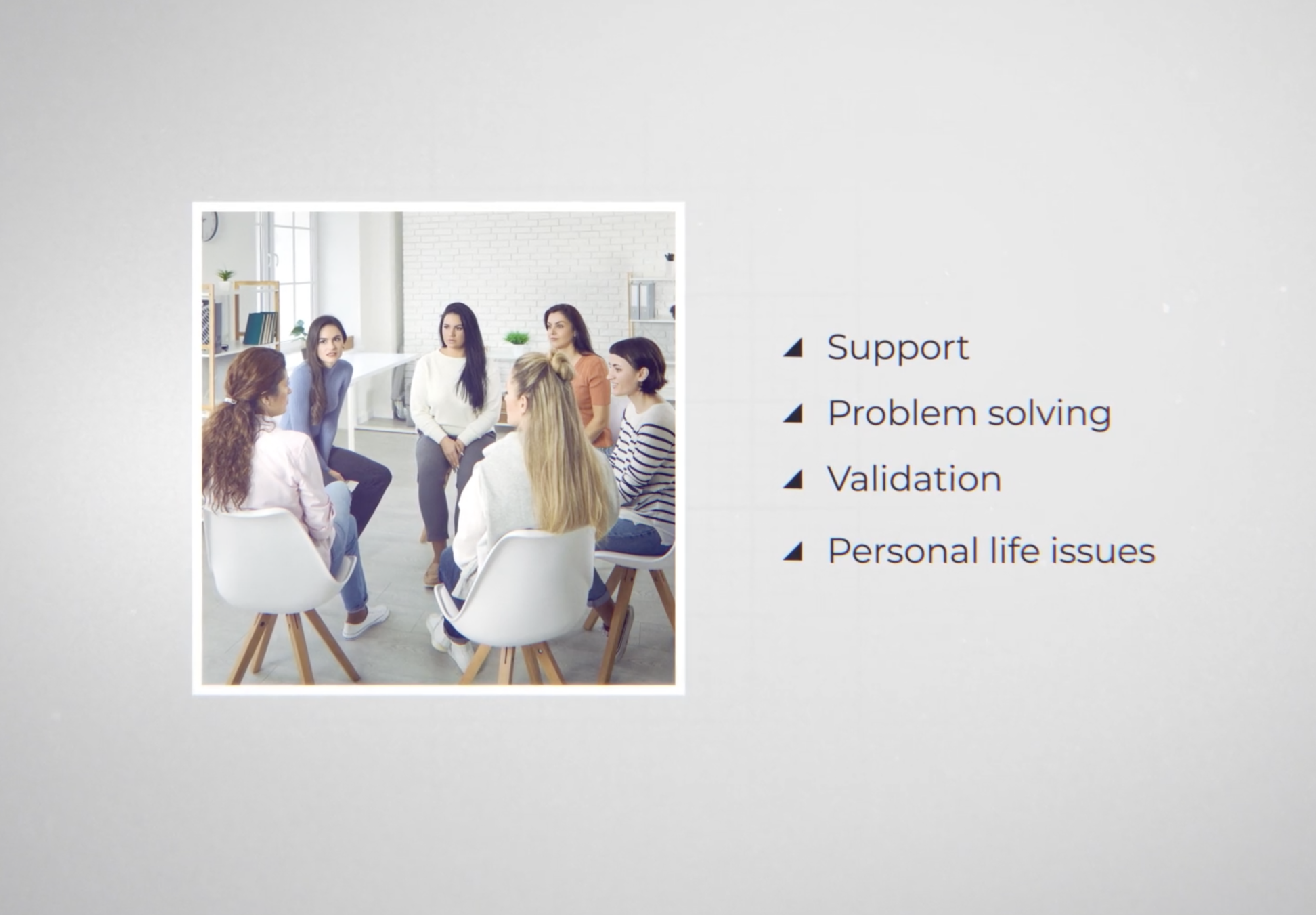
In the final week of the course you will be given a detailed overview of the mode of DBT Skills Group. This will include teaching you how to setup, format and run a skills group, the four Skills Modules at the heart of DBT, and how this mode of treatment integrates into the wider DBT approach.

The DBT-Linehan Board of Certification’s mission is to ensure excellence and adherence to the highest standards in Dialectical Behavior Therapy (DBT).
This training aligns with the foundational requirements of the DBT-Linehan Board of Certification, providing preparation that supports future steps in Linehan DBT certification by:
Providing comprehensive foundational education
Supporting team-based model implementation
Reinforcing adherence to Linehan DBT standards
This program is also approved for 36 CE/CME credits (view the complete CE/CME accreditation details).
David JonesPsychologist - São Paulo, BrazilLorem ipsum dolor sit amet consectetur adipiscing elit sed do eiusmod tempor incididunt ut labore et dolore magna aliqua ut
William JohnsonPsychologist - Toronto, CanadaLorem ipsum dolor sit amet consectetur adipiscing elit sed do eiusmod tempor incididunt ut labore et dolore magna aliqua ut
Richard MillerPsychologist - London, UKLorem ipsum dolor sit amet consectetur adipiscing elit sed do eiusmod tempor incididunt ut labore et dolore magna aliqua ut
Patricia JonesPsychologist - Sydney, AustraliaLorem ipsum dolor sit amet consectetur adipiscing elit sed do eiusmod tempor incididunt ut labore et dolore magna aliqua ut
Michael JohnsonPsychologist - Brisbane, AustraliaLorem ipsum dolor sit amet consectetur adipiscing elit sed do eiusmod tempor incididunt ut labore et dolore magna aliqua ut
Linda SmithPsychologist - London, UKLorem ipsum dolor sit amet consectetur adipiscing elit sed do eiusmod tempor incididunt ut labore et dolore magna aliqua ut
The DBT Comprehensive online program was built to provide an exceptional learning experience in Dialectical Behavior Therapy for mental health professionals. The online program is intended to provide comprehensive training in the theory & application of the DBT model via an online learning format.
All learning pathways include:
Video lessons from a diverse range of DBT experts
Detailed videos of therapy session demonstrations featuring expert analysis
Exercises to practice new skills
Homework and reading assignments to assist you in applying learning
Animation to reinforce key points
A Resource Library filled with additional readings, research and bonus videos
Also included in the DBT Intensive and DBT Intensive Plus pathways:
Ongoing consultation and support from a DBT expert
Throughout this online learning experience, you’ll hone your clinical performance by learning through expert teaching, demonstrations of treatment, practice, and detailed interviews from a diverse range of DBT Experts. You’ll learn how to help clients engage in new behaviors, generate hope and maintain commitment, and troubleshoot and address the problems that may hinder those commitments. The DBT Comprehensive online program will enable you to build clinical mastery in the application of DBT and to establish an effective DBT practice.
All learning pathways include:
Video lessons from a diverse range of DBT experts
Detailed videos of therapy session demonstrations featuring expert analysis
Exercises to practice new skills
Homework and reading assignments to assist you in applying learning
Animation to reinforce key points
A Resource Library filled with additional readings, research and bonus videos
Also included in the Intensive and Intensive Plus pathways:
Ongoing consultation and support from a DBT expert
The program is intended for participation only by persons who have the education and licensing required to deliver mental health treatment and who are committed to working as part of a DBT consultation team.
This program is available to graduate students, as long as they meet the application requirements for the pathway to which they are applying. Graduate students interested in other DBT training can alternatively choose to take the DBT Skills or DBT Skills for Adolescents & Families course.
This program is not appropriate for wellness coaches, members of the general public, or others who do not possess the credentials to provide clinical mental health treatment.


