Cognitive Behavior Therapy (CBT) Online TrainingBuild Confidence and Skill in CBT

Learn modern CBT, led by a global faculty of renown CBT experts. Our training will help you translate theory into confident, day-to-day clinical decisions that improve client outcomes.

Modern CBT Courses Designed for Clinical Practice

Learn from a Global CBT Faculty

Train directly with our faculty of developers, researchers and clinicians shaping CBT practice today.

A Practical, Integrated Approach

Learn modern CBT which combines cognitive, behavioural, and emotion regulation approaches, through case-based examples and therapy demonstrations.

Earn Continuing Education Credits

Meet your professional development requirements while advancing your clinical skills.

Build Expertise

Apply CBT with greater precision and confidence through training tailored to specific presentations and client needs.

Register Your Interest

Learn from a Faculty Shaping Evidence-Based CBT

Our global faculty brings together more than 30 researchers, treatment developers, and clinicians whose work has helped shape contemporary CBT practice, including:

  • Donald Meichenbaum, who helped bring cognitive processes into behaviour therapy

  • David Barlow, whose work advanced behavioural approaches to anxiety and emotional disorders.

  • Barbara Rothbaum and Patricia Resick, whose approaches form part of current best practice for PTSD

  • David Tolin, known for translating CBT into clear, structured clinical approaches.

Bringing these perspectives together reflects how CBT is used in practice across different presentations and contexts, rather than a single approach or model. Clinicians are guided by the people who developed and tested the approaches they are using, helping them understand what to target in therapy, why particular interventions are used, and how to adapt them in clinical practice.

Clinicians learn not only which interventions to use, but how to think formulation-first, adapt evidence-based approaches, and make effective clinical decisions across a range of presentations.

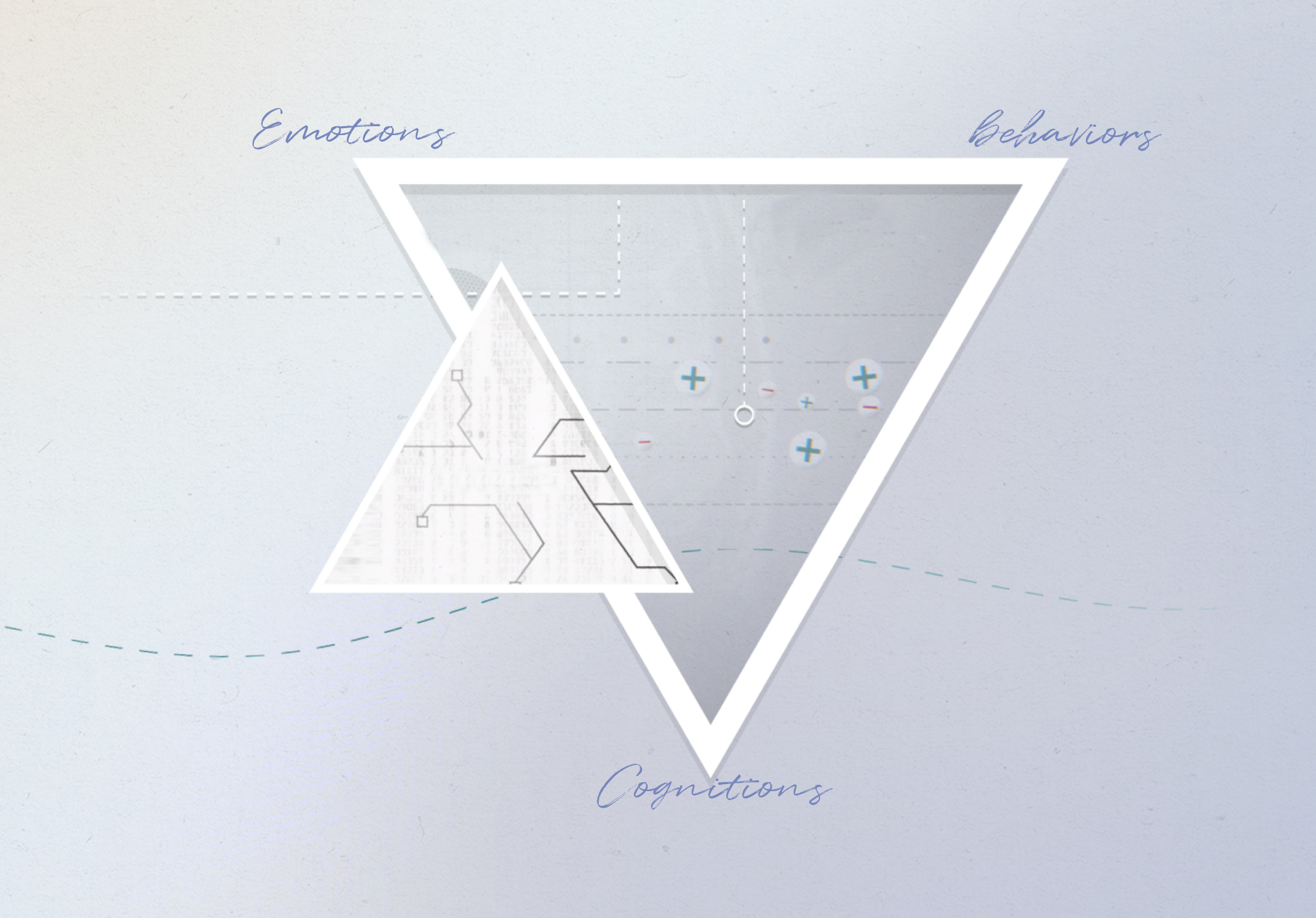
Working with Thoughts, Emotions, and Behaviour in CBT

Cognitive behavioural therapy (CBT) is an evidence-based framework that helps clinicians understand how thoughts, behaviours, and emotions contribute to psychological difficulties and how targeted intervention can support meaningful change.

Contemporary CBT recognizes that cognition, emotion, and behaviour continuously influence one another. Understanding the links between these processes helps clinicians develop clearer case conceptualizations, work more effectively with emotional experience, and make more effective intervention decisions.

Across our courses, this approach is demonstrated through clinical cases and therapy demonstrations spanning a range of presentations.

Why This Matters

When clinicians can identify what is driving a client’s difficulties and intervene effectively, CBT becomes more targeted, responsive, and effective in practice.

This supports more consistent, high-quality care and better outcomes across a range of presentations and settings.

Find out more with What Is CBT? A Practical Overview for Clinicians and How Modern CBT Can Help with Emotion Regulation.

Join our mailing list

To receive the latest news, free resources and offers on online courses.