Unified Protocol: A Transdiagnostic Treatment
Target the underlying causes of a wide range of emotional disorders with this versatile, cutting-edge cognitive behavioral treatment protocol.

The Unified Protocol represents a new era in evidence-based therapy. Developed Dr. David Barlow at the world-renowned Center for Anxiety and Related Disorders at Boston University, this widely researched model has two central unique features:
It distills and integrates only the most effective components of CBT, ACT, motivational interviewing, and DBT.
It de-emphasises diagnostic categories and instead focuses on addressing the core processes of neuroticism, behavioral deactivation, and negative affect. These issues have been found to underwrite a wide range of emotional disorders.
By addressing these core processes directly, therapists are empowered with a flexible approach that can support clients to manage their symptoms across a range of commonly co-occurring mental emotional conditions such as anxiety, depression, panic attacks, compulsive and impulsive behaviors, excessive worrying, obsessive thoughts and somatic symptoms. While other evidence-based protocols often focus on only one diagnostic category at a time, the Unified Protocol offers a single, comprehensive intervention that can address a broad range of disorders simultaneously.
Taught by the developer of the Unified Protocol, Dr. David Barlow, and expert clinician and researcher Dr. Todd Farchione, this six-week, interactive, self-paced course offers you a comprehensive introduction to the versatility and simplicity of the Unified Protocol. Through the use of beautifully produced instructional videos, therapy demonstrations that follow specific patients through their therapy journey, and pragmatic guidance, the course will leave you feeling confident about integrating the Unified Protocol into your practice straight away. You can also ask questions, share experiences and obtain feedback and support directly from Dr. Tood Farchione via our interactive forum.
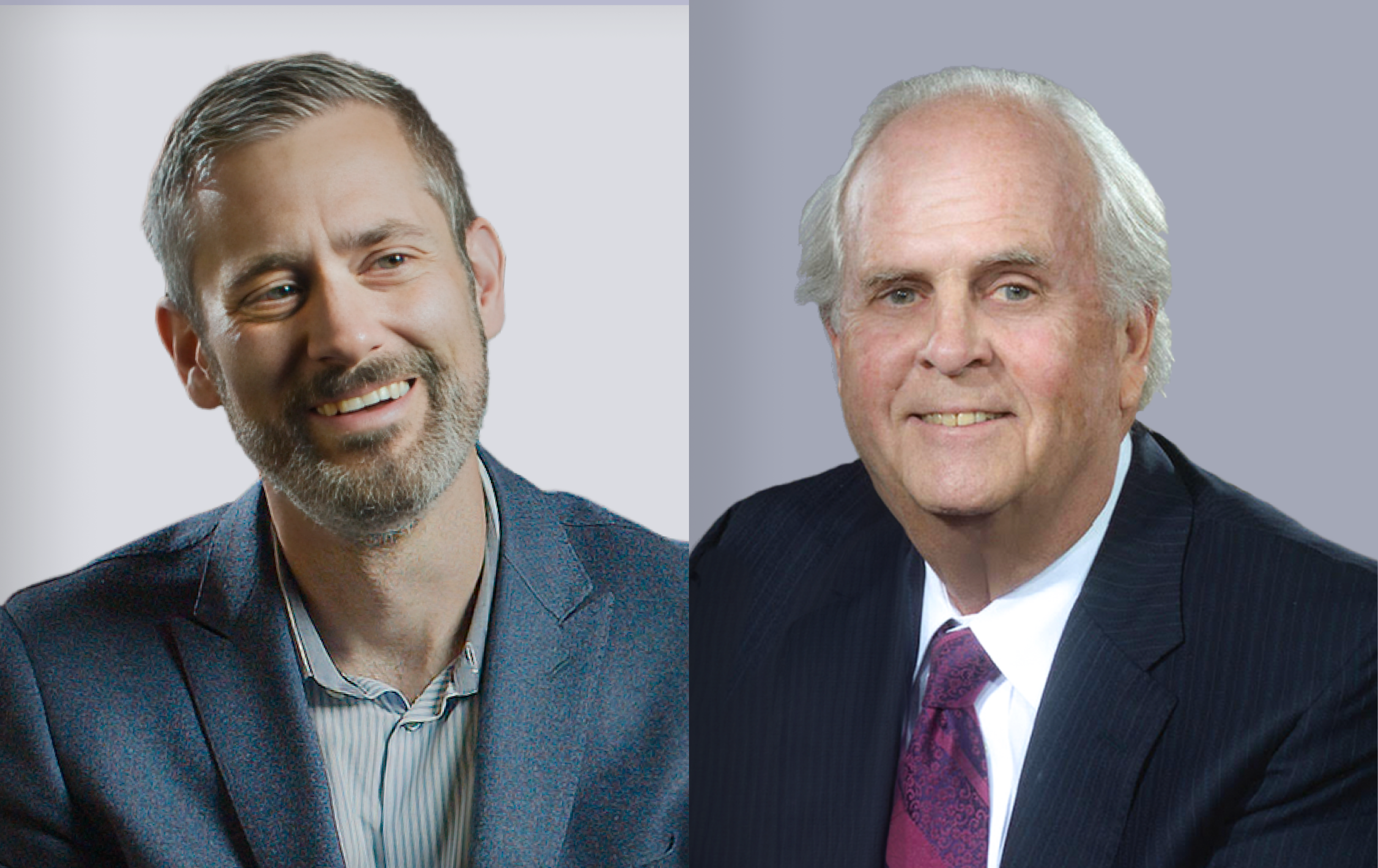
This course is taught by the developers of the Unified Protocol, the world-renowned Dr. David Barlow, and his collaborator and co-author on several essential texts on the subject, Dr. Todd Farchione.
Dr. Barlow is one of the most prolific and well-known clinical psychology researchers in the world. Across a career spanning over five decades, he has published over 650 articles and book chapters and authored more than 90 books including clinical handbooks on clinical disorders and abnormal psychology, Unified Protocol and CBT treatment manuals, and patient workbooks. Dr. Barlow’s unrivalled career in research has culminated in the theory of the Unified Protocol, a distillation of what he has found to be the most essential and effective interventions for emotional disorders.
Dr. Farchione is a research professor in the Department of Psychological and Brain Sciences at Boston University. He is also the director of the Intensive Treatment Program and a long time member of the research group at the Center for Anxiety and Related Disorders, where the Unified Protocol was developed. He is co-author of the therapist guide and workbook for the Unified Protocol for Transdiagnostic Treatment of Emotional Disorders, and of Applications of the Unified Protocol for Transdiagnostic Treatment of Emotional Disorders.

Clients typically present to therapy because of emotional distress, regardless of what diagnostic category they might fit into. By focusing on the emotions in a way that aligns with clients’ lived experiences of what is actually contributing to their suffering, the Unified Protocol offers an engaging approach to therapy that keeps client retention and motivation high.
This course will give you the tools to begin implementing the Unified Protocol in your practice with ease. By the end of this course, you will:
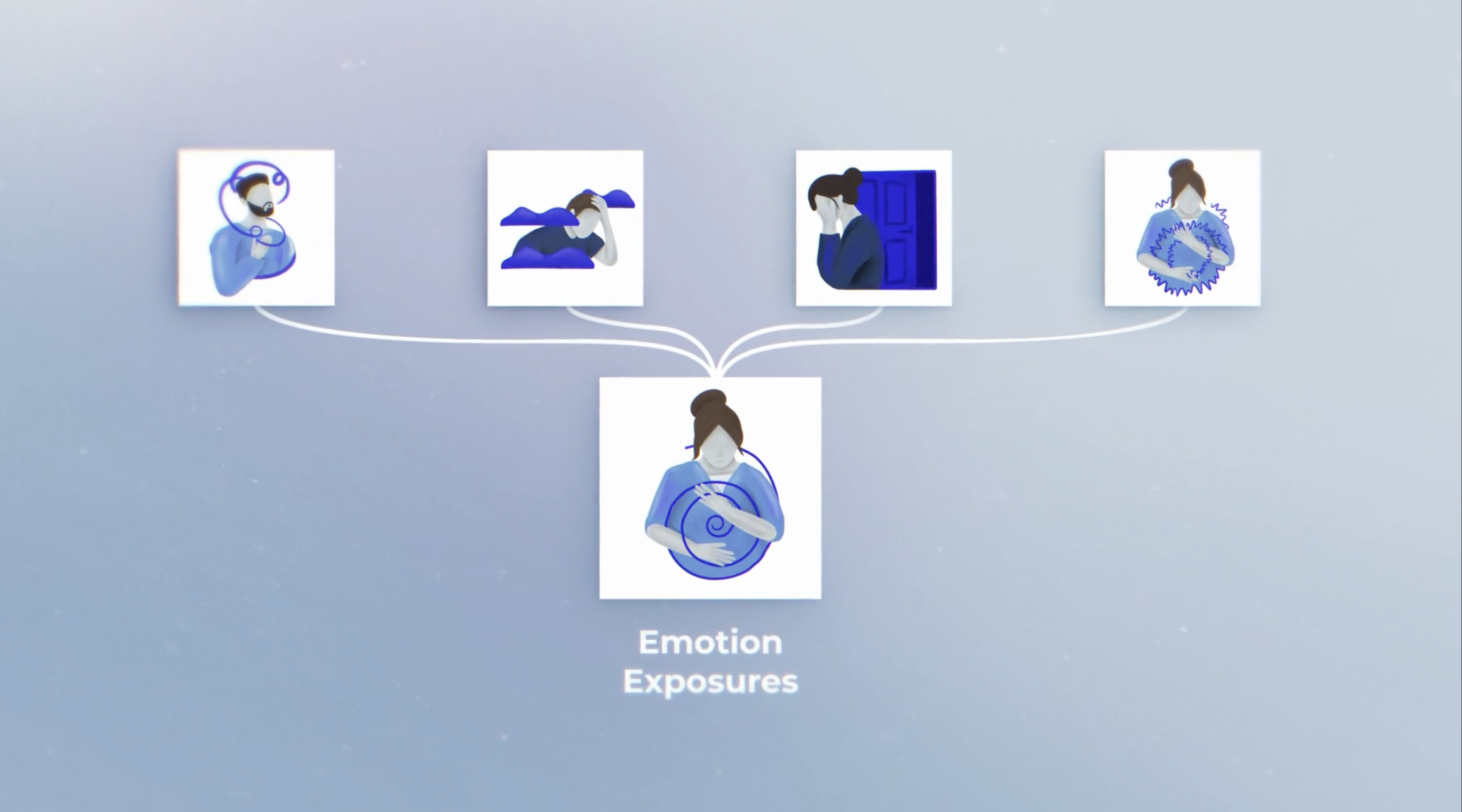
Understand the underlying features of emotional disorders, including the tendency towards frequent and intense negative emotions (neuroticism), harsh self-criticism, emotional dysregulation, and avoidant coping mechanisms;
Be able to conceptualize cases and create a treatment plan that focuses on a client’s relationship to their emotions;
Feel confident utilizing the five core cognitive-behavioral treatment modules of the Unified Protocol - psychoeducation, mindful emotional awareness, flexible thinking, interoceptive exposure, and alternative actions;
Know how to implement the Unified Protocol with a variety of specific patient populations and in a range of settings and circumstances;
Have the resources to address common clinical challenges including lack of progress, relapse prevention, and ending treatment.
This course is designed for psychologists, counselors, social workers, psychotherapists, and other mental health professionals working with adult patients with a range of emotional disorders including anxiety disorders, depression, PTSD, and somatic disorders, especially those with multiple co-morbid disorders.
It may be especially valuable to:
Therapists with a background in CBT, ACT or DBT who want to deepen and refine their practice with the latest evidence-based alternations to these models.
Early career therapists looking for a strong generalist approach to the treatment of a wide variety of presentations.
Health services, clinics, and training programs looking to build capacity across teams.